
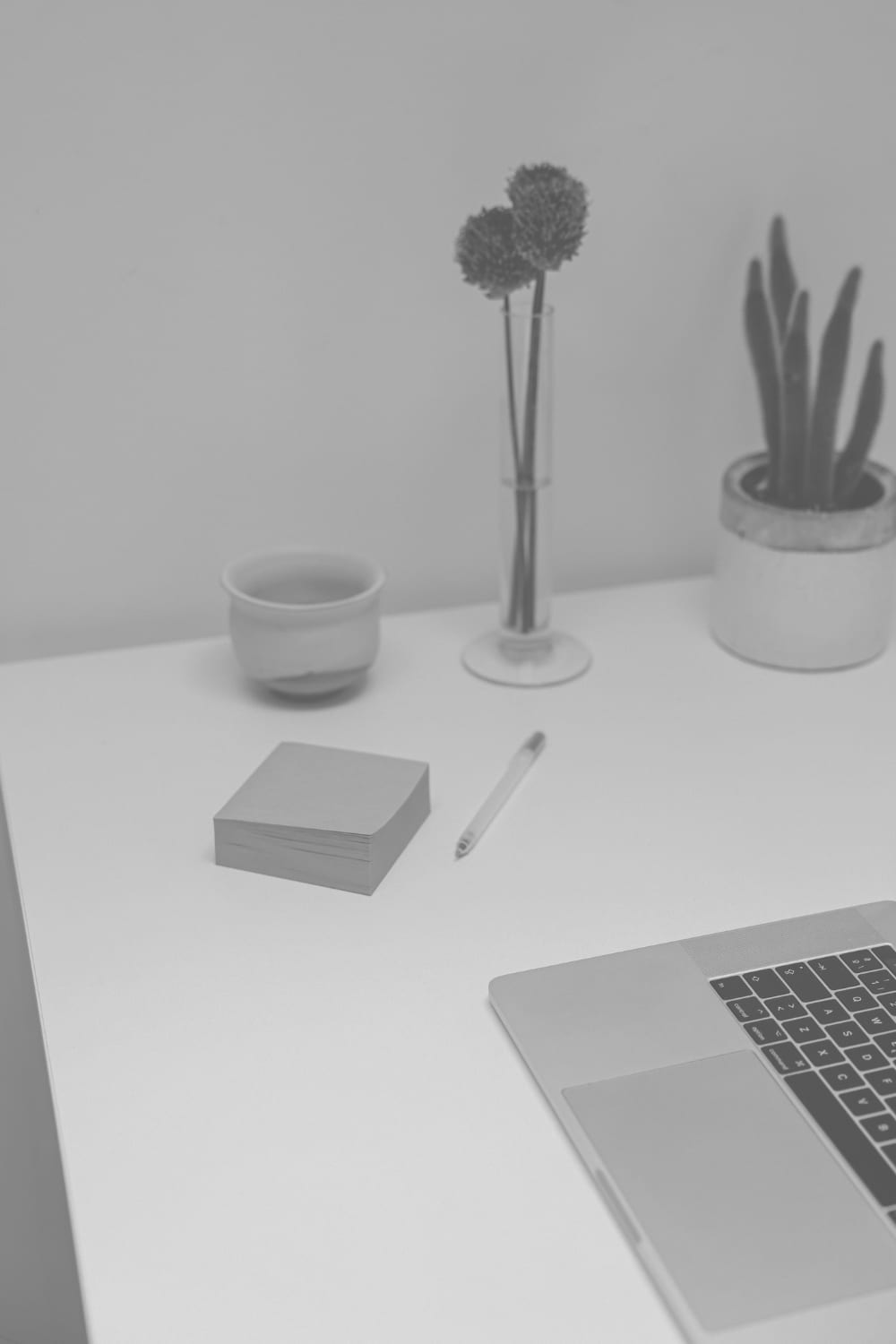
You keep blaming yourself for not focusing. Maybe the room never gave you permission to.
That’s usually where it starts — not with the task, but with the apology. I should be able to focus anywhere. Why can’t I just sit down and do the thing. You treat it like a character flaw. A discipline problem. Something to fix with a better morning routine or a stricter timer.
But focus isn’t only a discipline problem. It’s an environmental one too.
Your nervous system reads a room before you’re consciously aware you’re reading it. The clutter that isn’t yours to clear. The desk that’s actually a dining table. The chair that belongs to someone else’s evening, not your morning. None of that registers as inconvenient — it registers as unsettled. And unsettled isn’t a state you can think your way out of.
If your space is shared, temporary, or simply hasn’t been claimed yet, it hasn’t agreed to hold your attention. That’s not a metaphor. A room you don’t fully control is a room that’s still negotiating its terms with you every time you sit down in it. You’re spending part of your attention just managing the negotiation — and calling the leftover scraps “lack of focus.”
So the fix isn’t a better system. It’s permission. And permission, in a room, looks smaller than people expect.
You don’t need to renovate. You need one corner, one object, one small ritual that says this is mine right now — even if “right now” is the only claim you’re allowed to make. A lamp you turn on before you start and off when you’re done. A scarf draped over the back of whatever chair you’ve borrowed. A playlist that only plays in this context, so your brain learns the sound as a doorway.
None of this needs to be permanent to work. It needs to be repeatable.
A twelve-by-twelve-inch space on a shared table, claimed the same way every time. The same mug. The same three minutes before you open anything. Consistency is what turns a borrowed space into a recognized one — not size, not ownership, not how “real” the setup looks. Your nervous system isn’t asking whether the desk is legally yours. It’s asking whether it’s seen this sequence before and knows what comes next.
That’s the part self-blame skips over. You don’t fail at focus because you lack willpower. You fail at it because you keep asking a room that’s never agreed to act like it has. Once you stop negotiating with the space and start building a small, repeated claim inside it, the room stops being the obstacle. It starts being the cue.
Build the room before you build the habit. The habit was never going to hold otherwise.